
For about forty years, enterprise software had a quiet superpower we never bothered to name. It was deterministic. Same input, same output, every single time. Boring and the foundation of everything we ever built to trust technology. You could test it, audit it, guarantee it to a board. “It works” meant “it works the same way every time.”
AI broke that. Not by being smarter, by being probabilistic. The same input can produce a different output. It can be fluent and wrong. Confidently, articulately wrong, in a way deterministic software almost never managed. The software changed states: from guaranteed to probable. And that state change, not the intelligence, is the real transformation hiding inside “AI transformation.”
Here’s the part most people miss. The wrongness isn’t a bug being patched out version by version. A system that reasons in probabilities will sometimes land on the wrong one, by design, forever. Better models narrow the odds; they never make them certain. So every trust mechanism your organization owns test it until it’s correct, prove it produces the same result every time, audit the logic quietly stopped working. The shift didn’t break one control. It broke the ground the controls were standing on.
Which is why so many enterprises are stuck in the same place: impressive pilots, real individual wins, and a complete inability to put the thing into production on anything that matters. It isn’t that the AI isn’t good. It’s that nobody can answer the question the board actually asks how do we trust it? with tools built for software that no longer exists.
The race already ended in a tie
If everyone builds on the same foundation models and largely we do raw capability converges. Everyone’s AI is roughly as impressive as everyone else’s, because it’s drawn from the same well. The brain is rented and shared. The loud race who has the most capable, most autonomous, most impressive AI ended in a tie the moment we all started renting the same brain.
The race that actually decides who wins is quieter: who can take a probabilistic system and make it trustable enough to bet a business on. And trust, it turns out, is not intelligence. It’s whether a claim traces to a source you can open. Whether you can see what the system looked at and what it couldn’t reach. Whether it operates inside boundaries or roams free. Every one of those is a property of the system built around the model, not the model itself.
There’s a name for the alternative: Lot AI
You’ve seen it. The demo that’s breathtaking on stage and has never been wrong in production, because it’s never been in production. It looks incredible on the lot and dies the moment you drive it off. A rented brain with no walls: no verifiable sources, no coverage, no governing structure, and no one accountable for where the line gets drawn. A confident answer with no visible boundaries is the most dangerous output in enterprise AI, precisely because it looks exactly like a trustable one.
So in the agentic age, ask your vendor one question: is this Lot AI? Can it show its work? Does it reason over a structured map of your world, or pattern-match over a blob of text? Does it operate inside boundaries someone defined or roam? And when it’s wrong, whose name is on the line?
The answer was never a better machine
Faced with “the AI is sometimes wrong,” the instinct is to chase a more autonomous, more perfect machine that finally won’t be. That chase has no finish line, because the wrongness is the physics of probabilistic systems, not a flaw to engineer away. So stop trying to make the machine deterministic. Put the determinism where it can actually live: in the human.
The AI does the probabilistic work research, drafting, retrieval, synthesis, the first pass at a scale and speed no person can match. The human owns the deterministic work: verification, judgment, the decision, the accountability. The human isn’t kept in the loop out of caution. The human is the layer that converts “usually right” into “safe to act on.” Remove the human and you don’t get a more advanced system. You get an unaccountable one.
“Human in the loop” was never a safety brake. It is the architecture of trust itself the reason a probabilistic system can be allowed near a real decision at all.
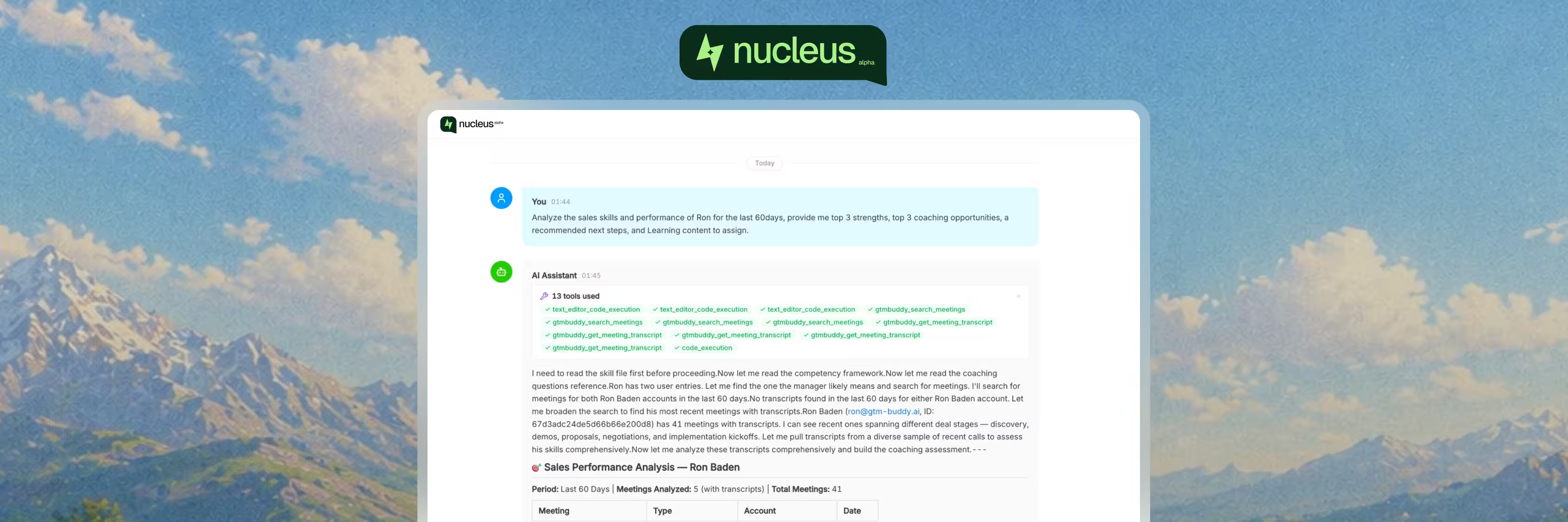
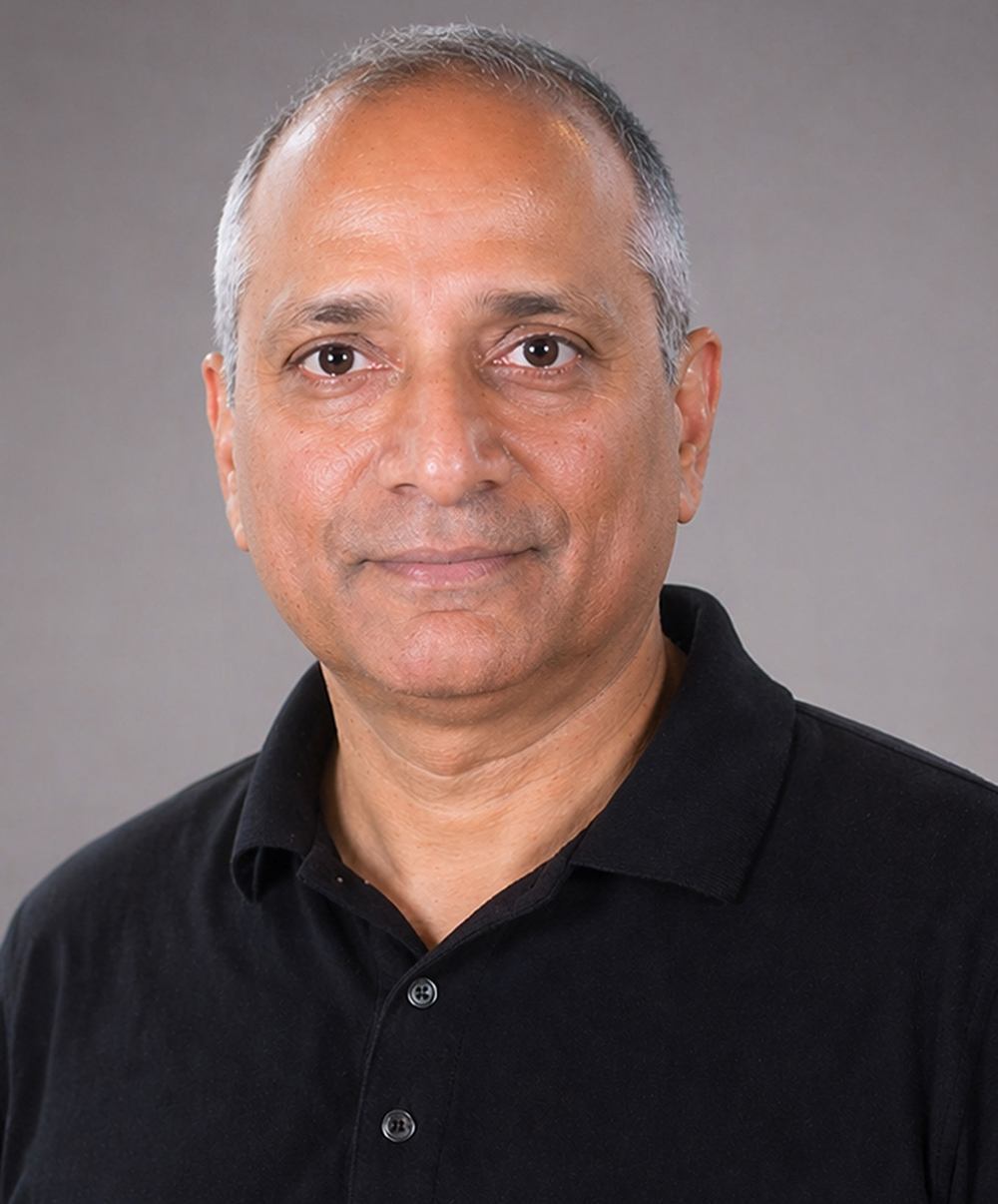
And here’s the thing about that line between machine and human: it has a corollary one level up. In a market where every vendor rents the same brain, the accountable layer isn’t the model it’s the person who built the company. I’ve spent my career building software, EPM at Host Analytics, Customer Success at Gainsight, and now Revenue Activation. The reason I’m building Nucleus myself, in this seat, is that in the agentic age you don’t want a vendor who forwarded your hardest problem to a model. You want the one where someone who understands the machine owns the line.
The most transformative thing you can build right now is not the AI that needs the fewest humans. It’s the one that puts the human in exactly the right place. The winners won’t have the best AI. They’ll have the trustable AI and a name on the line when it matters.

.avif)